

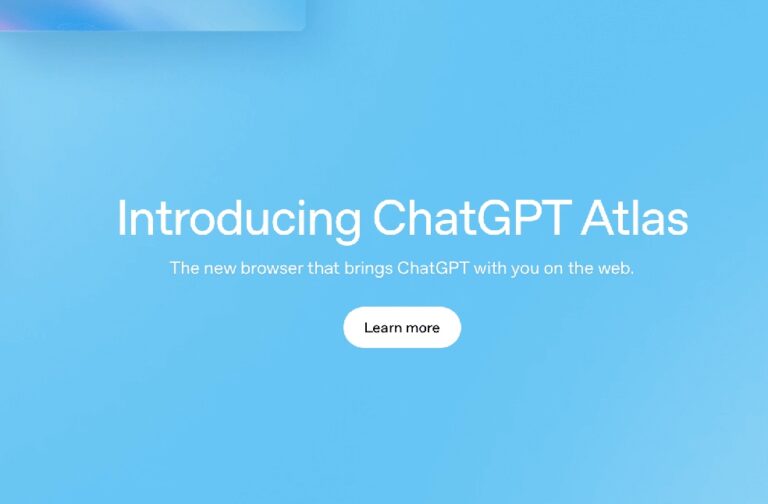
SAN FRANCISCO, Oct. 21, 2025 — OpenAI has formally entered the browser war with the unveiling of ChatGPT Atlas, an AI-powered web browser built around its widely-used chatbot that aims to challenge the dominance of Google Chrome.
Atlas, now available on macOS with Windows, iOS and Android versions “coming soon,” integrates a sidebar chat interface that lets users engage with their browsing content via ChatGPT rather than relying exclusively on the traditional URL-bar paradigm.
Key Features & Ambitions
- Users can summon ChatGPT within the browser window to summarise a web page, compare products or analyse data without switching apps.
A premium “agent mode” allows the AI to carry out tasks autonomously—such as shopping, booking, or research—on behalf of the user. (For now available only to paying subscribers) - The browser is built on Chromium, ensuring compatibility with web standards, but the emphasis is on reframing how users interact with the web: “We think AI represents a rare once-in-a-decade opportunity to rethink what a browser can be about,” said CEO Sam Altman.
- Atlas introduces optional “memories” — a feature where the browser, if permitted, retains context about what you’ve looked at, your tasks, preferences — effectively allowing the AI to pick up where you left off.
Why This Matters
Chrome currently controls a dominant share of the web-browser market, serving as a key funnel for search, browsing and advertising revenue. By building Atlas, OpenAI aims to shift not only how people browse but potentially who they browse with—and who controls the data and monetisation around it. According to analysts, if users adopt Atlas in meaningful numbers, it could pose a genuine threat to the status quo.
Challenges & Considerations
- Despite the hype, moving users away from a browser they already trust won’t be easy; adoption will be the big test. Many features of Atlas mirror what other browsers are now adding (including Chrome itself).
- Privacy concerns loom large: the “memory” functionality, the agent mode’s capacity to act on websites, and the data collection tied to usage all raise questions about what is shared, stored or used to train models. OpenAI says those features are optional and user-controlled.
- Monetisation remains a focus. While ChatGPT boasts hundreds of millions of users, most use the free tier. Launching a browser opens new paths (subscriptions, ads, service fees), but also new “attack surfaces” in the form of user trust and regulatory scrutiny.
Outlook
With Atlas, OpenAI is no longer just disrupting search and chat interfaces—it’s positioning itself squarely as a platform company, entering a core infrastructure layer: the browser. Should it succeed, it could reshape how we think of browsing, search and interaction online. For now, the rollout is early, the competition fierce, and the stakes very high.
Expect the next few months to see upgrades to Atlas (Windows/iOS/Android launch), feature expansions, and counter-moves from Google—including deeper AI integration in its products.
In summary, OpenAI’s launch of Atlas marks a bold strategic move: a direct challenge to Google’s browser and search dominance, leveraging AI at the centre of user experience. Whether it will succeed is far from assured — but it clearly signals the next battleground in the evolution of the web.

TRYLO Riza T-FIT Women's Non-Padded,Non-Wired,Full Coverage,Seamless 100% Cotton Feel Fabric Bra Available in Multicolor
₹349.00 (as of October 20, 2026 12:42 GMT +05:30 - More infoProduct prices and availability are accurate as of the date/time indicated and are subject to change. Any price and availability information displayed on [relevant Amazon Site(s), as applicable] at the time of purchase will apply to the purchase of this product.)
Peter England Men's Snug Fit Solid Polo T-Shirt with Coloured Collar Tipping| Cotton Rich| Premium Pique Weave
₹479.00 (as of October 20, 2026 12:42 GMT +05:30 - More infoProduct prices and availability are accurate as of the date/time indicated and are subject to change. Any price and availability information displayed on [relevant Amazon Site(s), as applicable] at the time of purchase will apply to the purchase of this product.)
KLOSIA Women Embroidery Solid Anarkali Kurta and Pant Set with Dupatta
₹669.00 (as of October 20, 2026 12:42 GMT +05:30 - More infoProduct prices and availability are accurate as of the date/time indicated and are subject to change. Any price and availability information displayed on [relevant Amazon Site(s), as applicable] at the time of purchase will apply to the purchase of this product.)
Nifty Women's Denim Stretchable High Waist Baggy Jeans for Women
₹621.00 (as of October 20, 2026 12:42 GMT +05:30 - More infoProduct prices and availability are accurate as of the date/time indicated and are subject to change. Any price and availability information displayed on [relevant Amazon Site(s), as applicable] at the time of purchase will apply to the purchase of this product.)
Van Heusen Men's Cotton Solid Regular Fit Collar Polo T-Shirt
₹599.00 (as of October 20, 2026 12:42 GMT +05:30 - More infoProduct prices and availability are accurate as of the date/time indicated and are subject to change. Any price and availability information displayed on [relevant Amazon Site(s), as applicable] at the time of purchase will apply to the purchase of this product.)
Yashika Womens Jacquard Standard Length Saree
₹283.00 (as of October 20, 2026 11:52 GMT +05:30 - More infoProduct prices and availability are accurate as of the date/time indicated and are subject to change. Any price and availability information displayed on [relevant Amazon Site(s), as applicable] at the time of purchase will apply to the purchase of this product.)
Kryone Collection Ajrakh Modal Silk Saree for Women | Mirror Work Black Saree | Gajji Silk Red Pallu Tassels | Designer Sarees for Women Party | Ajrakh Print Saree | Modal Silk Sarees Original
₹946.00 (as of October 20, 2026 11:52 GMT +05:30 - More infoProduct prices and availability are accurate as of the date/time indicated and are subject to change. Any price and availability information displayed on [relevant Amazon Site(s), as applicable] at the time of purchase will apply to the purchase of this product.)
C J Enterprise Women's Pure Soft Silk Saree With Blouse Piece For Wedding
₹464.00 (as of October 20, 2026 11:52 GMT +05:30 - More infoProduct prices and availability are accurate as of the date/time indicated and are subject to change. Any price and availability information displayed on [relevant Amazon Site(s), as applicable] at the time of purchase will apply to the purchase of this product.)
Yashika Womens Jacquard Standard Length Saree
₹329.00 (as of October 20, 2026 11:52 GMT +05:30 - More infoProduct prices and availability are accurate as of the date/time indicated and are subject to change. Any price and availability information displayed on [relevant Amazon Site(s), as applicable] at the time of purchase will apply to the purchase of this product.)
AKHILAM Women's Kanjivaram Pure Soft Silk Saree For Women Saree With Unstitched Blouse Piece |Soft banarasi saree for women|silk saree pure silk
₹683.00 (as of October 20, 2026 11:52 GMT +05:30 - More infoProduct prices and availability are accurate as of the date/time indicated and are subject to change. Any price and availability information displayed on [relevant Amazon Site(s), as applicable] at the time of purchase will apply to the purchase of this product.)Discover more from Jharkhand Weekly - Leading News Portal
Subscribe to get the latest posts sent to your email.