


A new form of pollution is reshaping the digital world — not in the air or water, but across information networks. As artificial intelligence becomes cheaper, faster, and more accessible, the mass production of misleading, low-quality, auto-generated content is accelerating at an alarming pace. Experts are now calling this phenomenon “AI Slop”, a wave of synthetic noise overwhelming online platforms and distorting public discourse.
At the core of the issue is the way AI models generate text. Large Language Models do not verify facts — they predict likely words. This means that when they don’t know an answer, they often guess with confidence. When these unedited outputs circulate widely, speculation transforms into misinformation, spreading at a scale no human system can match.
Fresh global data paints a stark picture:
- The European Parliament’s 2025 briefing warns that deepfakes are doubling every six months, with eight million expected to circulate in 2025.
- The same report finds human accuracy in spotting synthetic content at around 50%, no better than a coin toss.
- Deepfake fraud attempts surged 3,000% in 2023, and are projected to climb another 162% in 2025, according to the Keepnet Labs Deepfake Threat Report.
- OSINT Pulse data shows 35,000+ deepfake models have been downloaded over 15 million times since late 2022.
- Telefónica’s Security in the Age of AI report states a convincing voice clone can now be produced from just 10 seconds of audio.
- Sumsub’s Global Deepfake Report highlights spikes of up to 1,500% in deepfake activity during election periods.
What once seemed like a technical glitch has now become the defining characteristic of the modern information ecosystem. AI Slop is corroding public trust, enabling political and financial manipulation, exhausting fact-checking teams, and drowning out genuine expertise. As synthetic noise becomes the norm, truth becomes harder to identify.
However, analysts insist that the answer is not abandoning AI but using it responsibly. They recommend:
- Using AI as a tool, not a replacement
- Editing and fact-checking all outputs
- Adding human insight and context
- Avoiding generic prompts
- Never publishing raw, unchecked AI-generated content
- Prioritizing accuracy, clarity, and originality
In a world where information is created at machine speed, the future will belong to those who produce with intention — not those who add to the noise.
News Desk
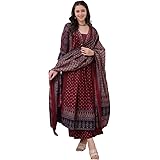
KLOSIA Women's Rayon Printed Anarkali Kurta and Pant with Dupatta Set
₹669.00 (as of October 20, 2026 12:42 GMT +05:30 - More infoProduct prices and availability are accurate as of the date/time indicated and are subject to change. Any price and availability information displayed on [relevant Amazon Site(s), as applicable] at the time of purchase will apply to the purchase of this product.)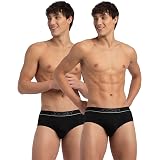
Jockey 8037 Men Super Combed Cotton Solid Brief with Ultrasoft Waistband_(Pack of 2)
₹398.00 (as of October 20, 2026 12:42 GMT +05:30 - More infoProduct prices and availability are accurate as of the date/time indicated and are subject to change. Any price and availability information displayed on [relevant Amazon Site(s), as applicable] at the time of purchase will apply to the purchase of this product.)
Jockey 8009 Men Super Combed Cotton Solid Long Trunk Boxer Brief(Pack of 3)
₹869.00 (as of October 20, 2026 12:42 GMT +05:30 - More infoProduct prices and availability are accurate as of the date/time indicated and are subject to change. Any price and availability information displayed on [relevant Amazon Site(s), as applicable] at the time of purchase will apply to the purchase of this product.)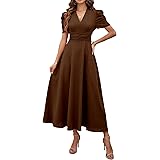
Shasmi Girl's & Women's Solid Color V-Neck A-Line Maxi Dress for Women | New Year Party Outfit | Waist Cinched Puff Sleeve Western | Elegant Casual Wear (Dress 246)
₹459.00 (as of October 20, 2026 12:42 GMT +05:30 - More infoProduct prices and availability are accurate as of the date/time indicated and are subject to change. Any price and availability information displayed on [relevant Amazon Site(s), as applicable] at the time of purchase will apply to the purchase of this product.)
SWAGR 12 Pairs Sports Cotton Ankle Length Socks for Men, Pack of 12., Assorted
₹188.00 (as of October 20, 2026 12:42 GMT +05:30 - More infoProduct prices and availability are accurate as of the date/time indicated and are subject to change. Any price and availability information displayed on [relevant Amazon Site(s), as applicable] at the time of purchase will apply to the purchase of this product.)
Yashika Womens Jacquard Standard Length Saree
₹329.00 (as of October 20, 2026 11:52 GMT +05:30 - More infoProduct prices and availability are accurate as of the date/time indicated and are subject to change. Any price and availability information displayed on [relevant Amazon Site(s), as applicable] at the time of purchase will apply to the purchase of this product.)
AKHILAM Women's Kanjivaram Pure Soft Silk Saree For Women Saree With Unstitched Blouse Piece |Soft banarasi saree for women|silk saree pure silk
₹683.00 (as of October 20, 2026 11:52 GMT +05:30 - More infoProduct prices and availability are accurate as of the date/time indicated and are subject to change. Any price and availability information displayed on [relevant Amazon Site(s), as applicable] at the time of purchase will apply to the purchase of this product.)
C J Enterprise Women's Pure Soft Silk Saree With Blouse Piece For Wedding
₹464.00 (as of October 20, 2026 11:52 GMT +05:30 - More infoProduct prices and availability are accurate as of the date/time indicated and are subject to change. Any price and availability information displayed on [relevant Amazon Site(s), as applicable] at the time of purchase will apply to the purchase of this product.)
SIRIL Women's Bandhani Printed Embroidery Georgette Saree with Unstitched Blouse Piece
₹499.00 (as of October 20, 2026 11:52 GMT +05:30 - More infoProduct prices and availability are accurate as of the date/time indicated and are subject to change. Any price and availability information displayed on [relevant Amazon Site(s), as applicable] at the time of purchase will apply to the purchase of this product.)
Yashika Women's Trendy Banarasi Kanjivaram Navy Color Art Silk Saree with Blouse Material
₹369.00 (as of October 20, 2026 11:52 GMT +05:30 - More infoProduct prices and availability are accurate as of the date/time indicated and are subject to change. Any price and availability information displayed on [relevant Amazon Site(s), as applicable] at the time of purchase will apply to the purchase of this product.)Discover more from Jharkhand Weekly - Leading News Portal
Subscribe to get the latest posts sent to your email.